Showing posts with label neuroplasticity therapy. Show all posts

Thursday, August 12, 2021

Neuroplasticity Therapy - Know More About It Right Here

Neuroplasticity is an important aspect of mental health counselling. People who participate in neuroplasticity therapy usually acquire new coping abilities that physically construct the neural connections thereby promoting resilience. People's new synapses will replace the connections that generated unhealthy behaviours and cognitive distortions as they develop new habits.

neuroplasticity therapy

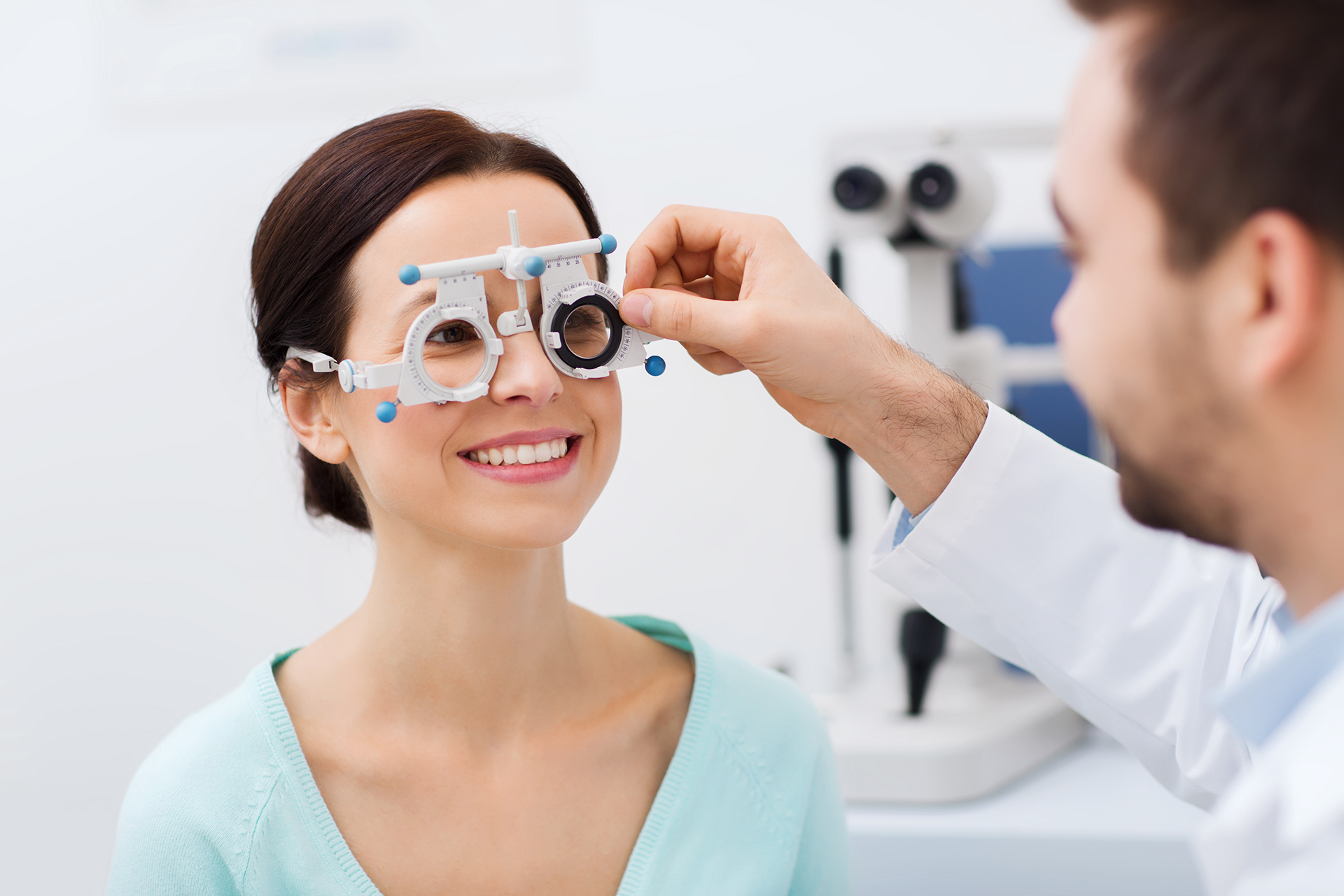
Binocular vision testing optometry aids in determining the prevalence of Binocular Vision Dysfunction. According to a poll, up to half of the population has symptoms related to Binocular Vision Dysfunction.

Know what neuroplasticity is

Neuroplasticity, as defined by clinicians, is the brain's ability to alter and heal itself. According to science, neuroplasticity is the brain's ability to change the synaptic transmission of information in response to external stimuli. Although the production of new neurons in this manner is not considered an example of neuroplasticity, professionals opine it might help the brain recover from harm.

Creating new pathways

Even as we get older, we retain the ability to learn new activities, abilities, and languages. This preserved ability necessitates the brain has a mechanism for remembering so that knowledge is retained throughout time for future use.

Consider the following definition of Binocular Vision Dysfunction:

It is defined as the inability to sustain visual focus on an item with both eyes to generate a single image. The two independent images from the two eyes are merged into one image in the brain by a fully working binocular vision system. For people who have Binocular Vision Dysfunction. In the brain, the two independent images from the two eyes cannot be successfully integrated into one image.

This poses the following consequences:

  • Abnormal posture or position adaptations
  • Excessive tiredness
  • Reading or near-task work should be avoided
  • Vision hazard (near vision or distance vision)

And many more if not treated properly.

Conclusion:

A trip to the optometrist has the power to drastically alter someone's life. Optometrists assess an individual's vision and provide prescriptions for glasses and contacts as part of a comprehensive eye exam; diagnose, treat, and manage eye injuries.

Thursday, July 22, 2021

Neuroplasticity Therapy – Learn About its Meaning and Recent Developments

There is no denying that the human brain is absolutely enticing and absolutely amazing. Skilled clinicians propagate that neuroplasticity therapy is the brain’s ability to alter and cure itself. From a scientific perspective, it essentially affects the synaptic transmission of information in response to external stimuli.

What does Neuroplasticity Refers to?

Experienced and skilled health professionals forward that neuroplasticity refers to the physiological alterations in the brain. Eye prosthesis and rehabilitation greatly facilitate the process. It occurs as a consequence of continuous interactions with the prevalent surroundings.

eye prosthesis and rehabilitation

Right from the day, an individual is born, and till it dies, the brain develops in utero. The connections amongst the brain cells reorganise in response to changing needs. This dynamic process allows one to learn and adapt to multiple experiences.

The most striking difference between a human brain and a computer is that the latter is built to certain specifications while receiving hardware updates occasionally. On the other hand, the former can receive hardware updates in reality along with software updates! Various pathways that fall and form dormant are often created and discarded according to the person’s personal experiences.

Principles and Recent Developments in Neuroplasticity

Upon learning something new, newer connections are created between neurons. One rewires the brain to adapt to more advanced circumstances. Though it happens on a daily basis, professionals can encourage and stimulate the process.

There are primarily two main perspectives of neuroplasticity –

  • It is a fundamental procedure that explains any alterations that might occur in behavioural response or final neural activity.
  • The concerned process essentially serves as an umbrella term for an extensive collection of brain change adaptations and alterations phenomenon.

Neuroplasticity and its relation with psychology is essentially a new line of research. It proves exciting for chemists, neuroscientists, biologists as well as psychologists.

To conclude, neuroplasticity opens up potential avenues for psychological changes, along with functional adaptations and the way a brain works.

Monday, April 19, 2021

Understand How Neuroplasticity Therapy Helps People in Recovery Process

Neuroplasticity therapy helps the brain to modify its connections or rewire itself. The professionals would use the ability of the brain to adapt to the changes and form new connections over time. The skill of the human being to adapt, master new skills, store memories and information, even after a brain injury, helps through the healing process.

A renowned children's behavioural optometrist suggests various techniques that would help the child adjust to the surroundings and adapt to the changes, which help steady growth, both mentally and physically.

Experts believe that neuroplasticity occurs through processes called sprouting and rerouting. The former involves the creation of new connections between neurons or nerve cells. Rerouting involves creating a neutral pathway by deleting the damaged neurons; forming a new path with the existing active neurons.

Studies show that neurons communicate with electrochemical signals. The structure synapse helps in transmitting the signals. Stimulating the neural pathways through repetitive memory-forming cognitive function strengthens communication. A human brain can create new synapses. Interestingly, the human brain undergoes natural changes as people experience changes, while this feature can be activated through a few dedicated exercises and cognitive training.

Many scientists worldwide feel that the therapy helps people, even kids, to overcome trauma and brain injuries. The experts would assess the extent of damage and then suggest a customised plan that includes neuroplasticity exercises and cognitive rehabilitation that would help rewire the brain cells. It would help in improving cognitive and emotional health. A few experts believe that the therapy helps people after they experienced a heart stroke.

In short, the therapy could do wonders for people who have issues with their brain cells. These therapies should always be conducted by experienced and trained professional. Since it involves the brain, the professional would be able to judge the correct measures to bring out positive results.

Thursday, March 18, 2021

Why You Really Need A Neuroplasticity Therapy?

The brain is an amazing organ of the human body. Neuroplasticity Therapy is related to the brain; it refers to the brain’s ability to hold on to things. Physiological changes in the brain can change your behaviour, and it depends on the environment like whom you meet and interact. Brains are genuinely unique like computer system; brains capture hardware updates. Sometimes, your brain stops taking updates, at the time you can restore those updates with the therapy.


The treatment is not for those who have depression, anxiety and learning disorders. Many people face these problems before an injury. The therapy is designed for the people who have emotional symptoms like after an injury. 

The note is that many people have availed the therapy and no wonder improved emotional symptoms. Some patients have many of the post-concussion problems along with the hormone. Sometimes it happens that your child suddenly stopped growing, so there’s a chance you could recover the problem. 

There are many other ways that neuroplasticity benefits the brain. You can recover from brain events like strokes and traumatic brain injuries. It also helps to enhance memory abilities and cognitive abilities. 

Do you think that your brain working slow and ineffective? Seek the help of neuroplasticity therapy, recover the functions back, and heal difficult problems like strokes and brain injuries.

What are the Common Types of Issues that Needs Eye Fixation Rehabilitation?

 The term "visually impaired" refers to a person who has a reduced vision that cannot be corrected. In reality, the majority of p...